160 x 600
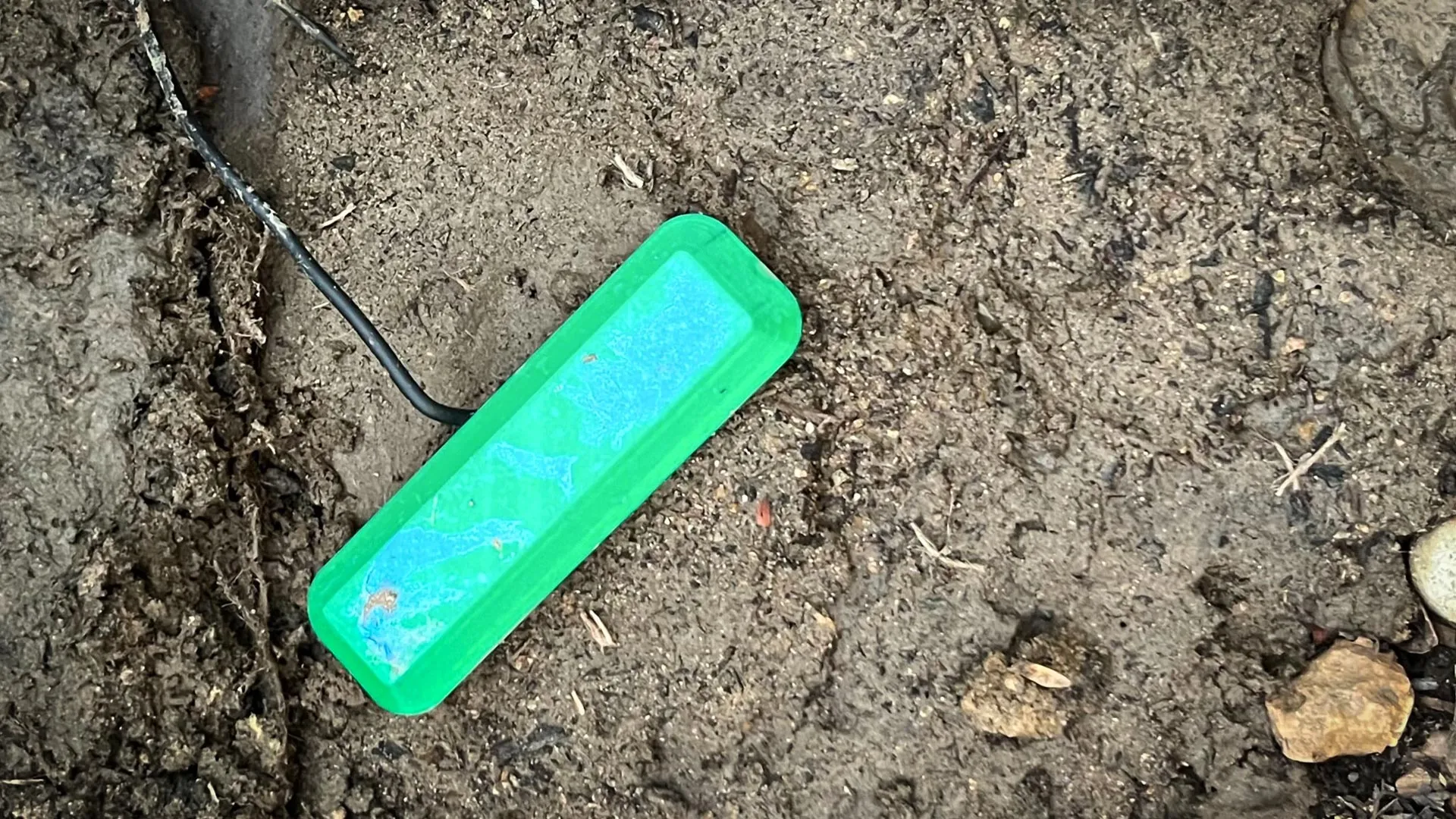
A research team has engineered a subterranean power system that leverages naturally occurring soil microbes to energize remote monitoring networks, marking a shift away from conventional battery infrastructure for distributed sensing applications. The device, comparable in size to a standard book, converts organic matter in soil into usable electricity, offering a scalable approach to powering field-deployed technology.
The system is engineered specifically for precision agriculture and environmental observation, where persistent data collection is essential but conventional power sources falter. To validate its utility, the team deployed the fuel cell to operate soil moisture sensors and capacitive touch detectors, enabling the tracking of wildlife movement through fields. Data transmission is handled by a compact antenna that utilizes ambient radio signals, minimizing energy demands while maintaining connectivity.

Performance testing demonstrated resilience across varying environmental conditions, including extended dry periods and water-saturated terrain. The system consistently generated power over durations exceeding standard alternatives by a substantial margin, reinforcing its reliability for long-term deployment.
The innovation addresses critical limitations in existing sensor power strategies. Agricultural monitoring networks require continuous operation across expansive areas, yet battery replacement is logistically challenging and costly. Solar solutions, while established, are vulnerable to environmental interference, require direct exposure, and occupy physical space that may interfere with cultivation practices.
A key advancement lies in the structural redesign of conventional microbial fuel cells. By reconfiguring electrode placement to a perpendicular alignment, the system optimizes exposure to both oxygen and subsurface moisture. The architecture combines a horizontally positioned anode with a vertically oriented cathode, ensuring consistent functionality whether the ground is arid or submerged. Additional protective elements guard against debris and regulate internal airflow, while specialized coatings maintain operability during flood events.
The technology is positioned as a foundational element for decentralized networks, aligning with broader developments in the Internet of Things ecosystem. As the number of connected devices continues to expand, the reliance on resource-intensive materials becomes increasingly impractical. Soil-based power generation offers a localized, low-impact alternative that circumvents complex manufacturing and transport dependencies.
The team emphasizes that all components are sourced from widely available materials, with active exploration into fully biodegradable configurations that eliminate conflict minerals and streamline recycling. This focus on accessible supply chains reflects a broader commitment to inclusive technological deployment, particularly in regions with limited infrastructure.
Current applications remain focused on low-power sensing functions, yet the framework supports future expansion within environmental monitoring, smart farming, and distributed network architectures.
Comments (0)
No comments yet. Be the first to start the discussion!