160 x 600
Cadence Design Systems is deepening its strategic alignment with leading technology providers to advance AI deployment in semiconductor and robotic systems. At a recent industry event, the company outlined enhanced collaborations focused on integrating high-fidelity simulation with accelerated computing architectures.
The partnership with Nvidia centers on merging Cadence’s physics-based simulation capabilities with Nvidia’s CUDA-X libraries, AI models, and Omniverse environment. This integration enables engineers to model complex thermal and mechanical interactions, assessing system performance under real-world conditions. The scope extends beyond traditional chip design to include networking and power infrastructure, allowing for comprehensive system-level simulation prior to deployment. The collaboration emphasizes that overall system efficacy is contingent on the synchronized operation of compute, networking, and power components.

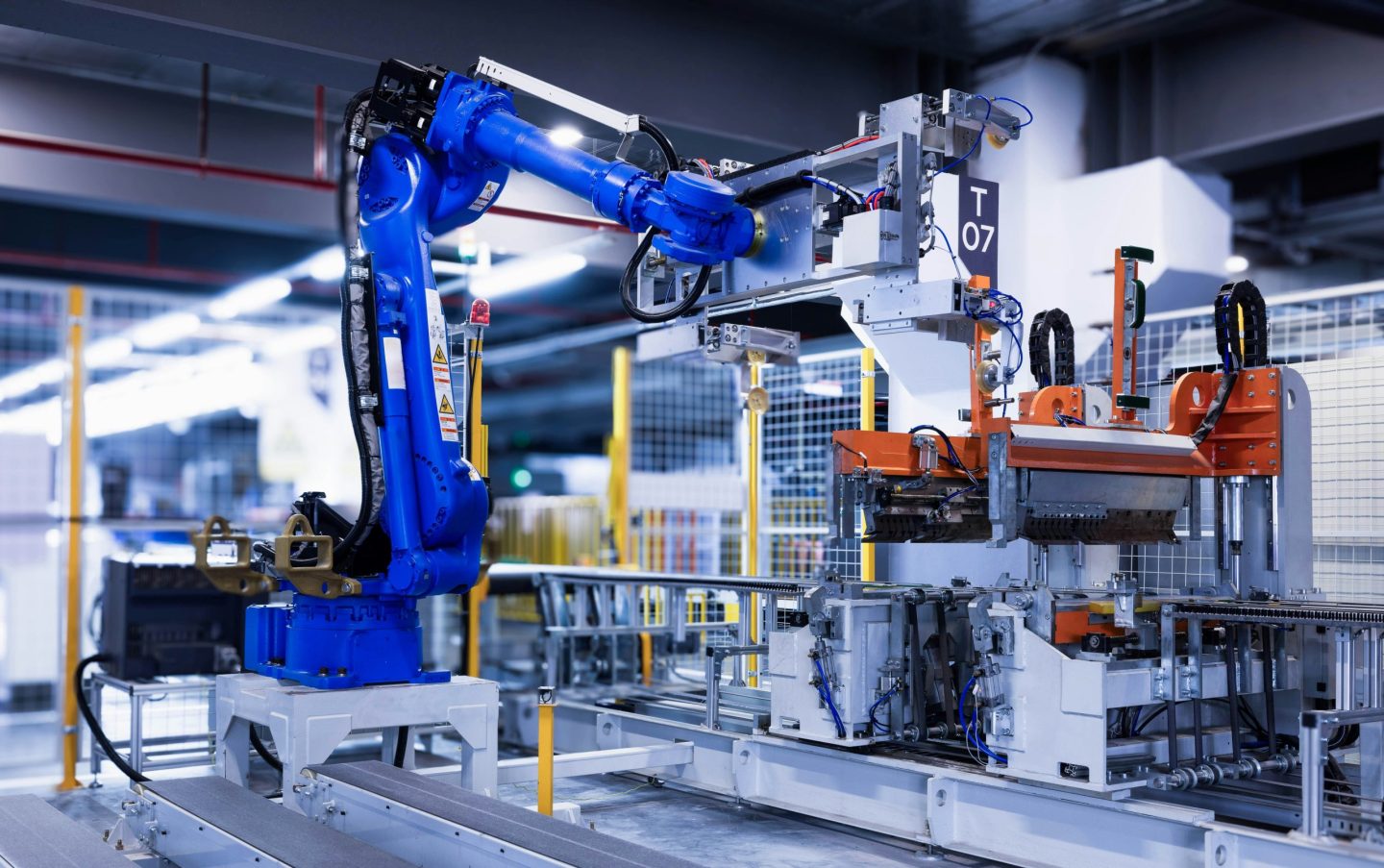
A key focus is the development of robotic systems, where Cadence’s material interaction models are linked with Nvidia’s AI training frameworks. This synergy allows for robot training in simulated digital twin environments, significantly reducing the dependency on physical data collection. The accuracy of these physics-based simulations is critical, as it directly determines the quality of the training data used to develop AI-driven robotics. Major industrial robotics manufacturers are reportedly leveraging these simulation frameworks to validate production systems during virtual commissioning phases.
In a separate strategic initiative, Cadence launched an AI agent to automate the physical layout phase of chip design. This tool builds upon an earlier agent designed for front-end design, creating a cohesive workflow that automates the translation of circuit definitions into silicon implementations. Deployed via Google Cloud, the platform integrates Cadence’s electronic design automation with Google’s Gemini models, enabling automated design and verification without on-premise infrastructure. Early implementations have demonstrated productivity improvements of up to 10 times in design and verification cycles.
Nvidia also announced the open-source NVIDIA Ising models, a family of quantum AI frameworks intended to support quantum processor calibration and error correction. These models aim to deliver substantial gains in decoding speed and accuracy, positioning AI as the foundational control layer for scalable quantum computing systems.
Comments (0)
No comments yet. Be the first to start the discussion!