160 x 600
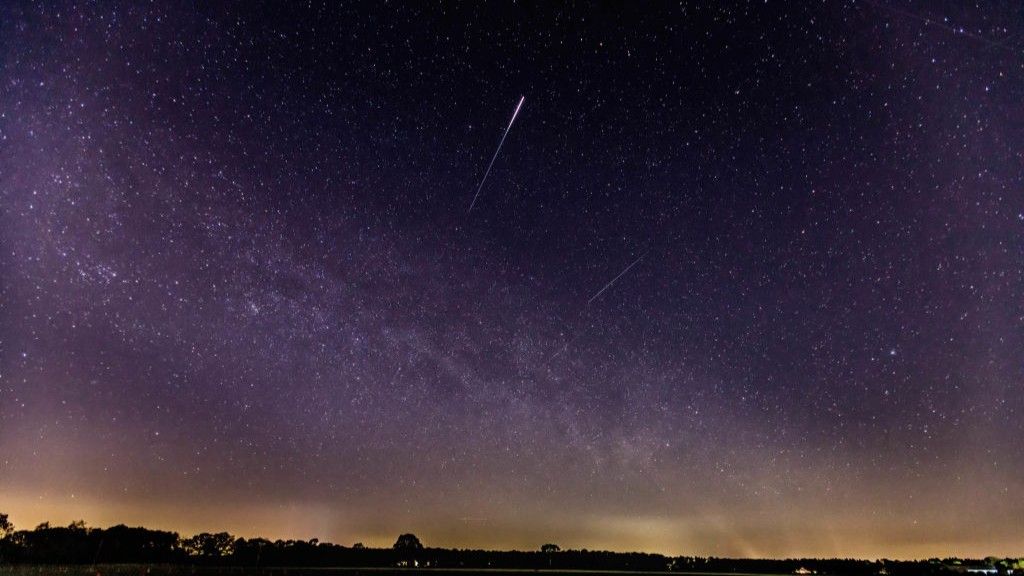
Meteor shower enthusiasts are entering a prime observational window as the Lyrids return after a prolonged period without significant celestial activity. This annual event represents a crucial opportunity for skywatchers to observe one of the oldest documented meteor displays, bridging the gap between the end of winter and the onset of spring astronomical events.
The Lyrid meteor shower derives its name from the apparent divergence of meteor trails, which trace back to a point approximately 9 degrees to the lower right of Vega in the constellation Lyra. Observers under favorable conditions can expect to see between 5 and meteors per hour at the peak, creating streaks across the night sky. The optimal viewing period occurs in the pre-dawn hours, particularly around the shower’s zenith, when the radiant point reaches its highest elevation.

This celestial phenomenon provides a valuable case study in astronomical timing and orbital mechanics. The debris field originates from Comet Thatcher, a long-period celestial body with an orbital cycle of roughly 415 years. The Earth intersects this debris trail annually, creating a reliable, albeit moderate, meteor display. The consistency of this intersection makes the Lyrids a predictable element in the broader calendar of meteor showers, allowing for strategic planning in both scientific observation and public outreach initiatives.
Viewing conditions are enhanced during the early morning hours when the moon has set, leaving a dark sky free of lunar interference. The absence of significant light pollution further amplifies the visibility of these high-velocity particles, which enter the atmosphere at approximately 30 miles per second. A portion of these meteors produce persistent trails, adding a dynamic visual element to the experience.
The ongoing interest in such events underscores the importance of public engagement with astronomical phenomena. Organizations and educators leverage these predictable displays to foster scientific literacy and maintain public attention on space-related topics. The Lyrids, with their long historical record and reliable annual occurrence, serve as an accessible entry point for individuals seeking to explore the mechanics of the solar system and the dynamics of celestial debris.
Comments (0)
No comments yet. Be the first to start the discussion!